



LECTURE
Miguel Ángel Martínez-González, Professor of Public Health at the University of Navarra and Adjunct Professor of Nutrition at Harvard T.H. Chan School of Public Health, discusses in this lecture the main advances achieved, as well as the challenges that lie ahead in the study of the Mediterranean diet.
SEE THE FULL CONFERENCE
SUMMARY
After three decades of intensive and productive research, the Mediterranean diet (MD), characterised by a high intake of olive oil, has become the most relevant science-based model in preventive medicine and nutrition. Proven health benefits of the MD include reduction in cardiovascular and chronic inflammatory diseases, and in ageing processes.
Between 1994 and 2024, the total number of articles published annually in PubMed –the world’s largest biomedical database– increased by a factor of 3.72. Moreover, publications specifically addressing the Mediterranean Diet or olive oil consumption increased by a factor of 13.3, reaching almost 15,000 papers in 2024 alone.
The Mediterranean diet is unique in that this healthy dietary model is supported by large-scale randomised trials. These include the secondary prevention trials in cardiovascular disease Lyon Heart and CORDIOPREV, and the Spanish randomised primary prevention trial PREDIMED. Together, these studies provide strong experimental evidence and demonstrate substantial protective effects. They are not conducted in isolation but are supported by an unprecedented body of high-quality prospective epidemiological evidence.
Despite this progress, lines of research are still ongoing. For instance, metabolomic signatures in plasma and urine are being studied to make an objective assessment of the impacts on mortality and the long-term effects in participants.
Another challenge that remains for the forthcoming years is to determine whether adhesion to the Mediterranean diet, when combined with calory restriction, increased physical activity and weight loss, confers additional benefits for individuals with metabolic syndrome. In this sense, the PREDIMED-Plus trial, financed by the European Research Council (ERC), is beginning to report its first results. Furthermore, moderate consumption of red wine with meals has traditionally been considered an integral component of the Mediterranean Diet. However, there is ongoing debate as to whether wine consumption should be excluded altogether. The large-scale UNATI study, also financed by the ERC, is currently under way and aims to provide a clear answer based on solid scientific evidence.
SPEAKER
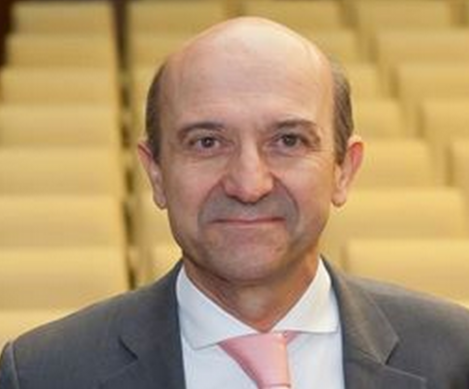
Miguel Ángel Martínez-González is a PhD in medicine, epidemiologist, and MIR-trained specialist in Preventive Medicine. He is professor of Public Health at the University of Navarra, Adjunct Professor at the Department of Nutrition, Harvard T.H. Chan School of Public Health, and Group Leader within the Biomedical Research Networking Centre for Obesity and Nutrition (CIBER-OBN). He has more than 30 years of experience in epidemiologic research on the determinants of chronic disease, with particular focus on nutrition and lifestyle medicine. He has designed and led major trials and cohort studies, including SUN, PREDIMED and PREDIMED-Plus, the latter as Principal Investigator-Head of the CIBER-OBN research group, and has been awarded prestigious ERC Advanced Grants by the European Research Council. These trials and cohort studies have provided unprecedented scientific evidence from Spain with a major impact worldwide.
Since 2013, Professor Martínez-González has been co-Principal Investigator, together with Professor Frank B. Hu (Harvard University) on several projects funded by the US National Institutes of Health, examining cardiovascular disease and diabetes through metabolomic analyses within the PREDIMED and PREDIMED-Plus projects.
In 1995, he founded the Department of Preventive Medicine and Public Health at the University of Navarra, Spain. Since then, he has published more than 1100 articles indexed in the Web of Science and is currently the seventh most cited medical scientist in Spain. He has mentored numerous professors and tenure lecturers in Epidemiology and Public Health.
Professor Martínez-González has edited several leading medical textbooks, including Bioestadística amigable (Elsevier, 5th ed.), Epidemiología aplicada (Ariel-Planeta, 2nd ed.) and Conceptos de salud pública y estrategias preventivas (Elsevier, 3rd ed.).
His public outreach publications with Editorial Planeta include Salud a ciencia cierta (2018), ¿Qué comes? (2020), La sanidad en llamas (2021), Salmones, hormonas y pantallas (2023), and 12 Soluciones para superar los retos de las pantallas (2025). In 2023, he was awarded a further ERC Advanced Grant to lead the world’s largest trial on the effects of alcohol, running from 2024 to 2028. In 2024, he was appointed Doctor honoris causa by the University of Almería. Further honours include the Grace Goldsmith Award and the Rankin-Skratud Lecture in the United States, as well as Spain’s prestigious National Prize for Research in Medicine Gregorio Marañón (2022).
- Date: 13 May 2026, 09:30h CET
- Venue: CIHEAM Zaragoza Auditorium (Av. Montañana 1005, Zaragoza, Spain)
- Format: Hybrid
- Language: Spanish with interpretation into English
- Cycle: CIHEAM Zaragoza-Campus Dei Lecture Series