

- Professionals from 4 continents have participated in an advanced course organised by CIHEAM Zaragoza and the International Olive Council (IOC)
- This training focused on how to boost the efficient use of water in olive growing, adopt recommended management strategies to prevent water losses in the field, and introduce innovative technologies to optimise the use of water and other resources
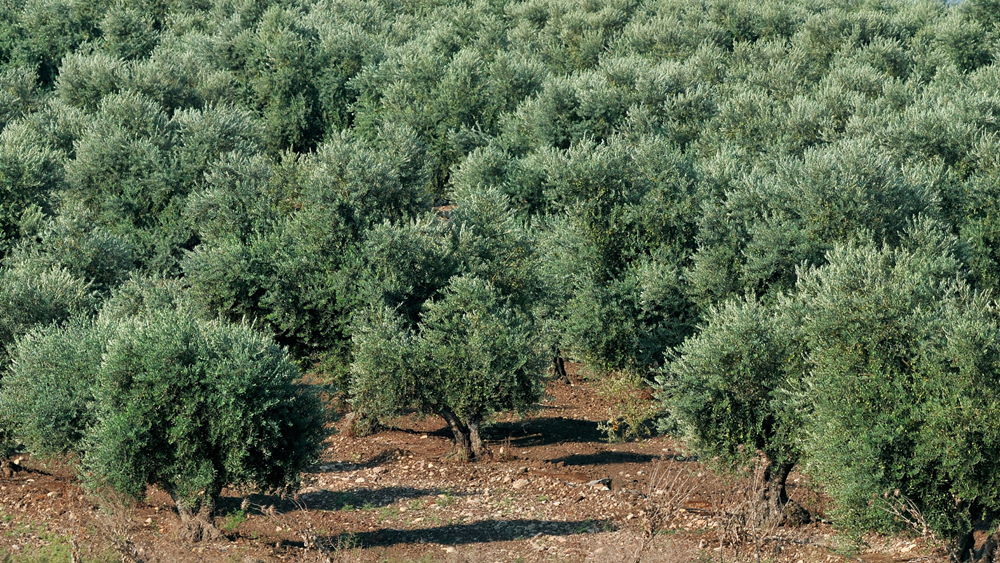
Water, olive growing and climate change
Climate change is negatively affecting the water supply for agricultural irrigation, presenting challenges for Mediterranean countries. New intensive and super high-density olive plantations require more water, which could exacerbate water scarcity in traditional olive-growing countries. To mitigate these challenges, olive-growing countries have adopted new policies and decisions on water management that will have a significant impact on the future of our communities and our sector. These policies will put more pressure on irrigation, as water becomes an increasingly scarce commodity with repercussions on traditional olive-growing countries where water resources are falling.
Training at CIHEAM Zaragoza
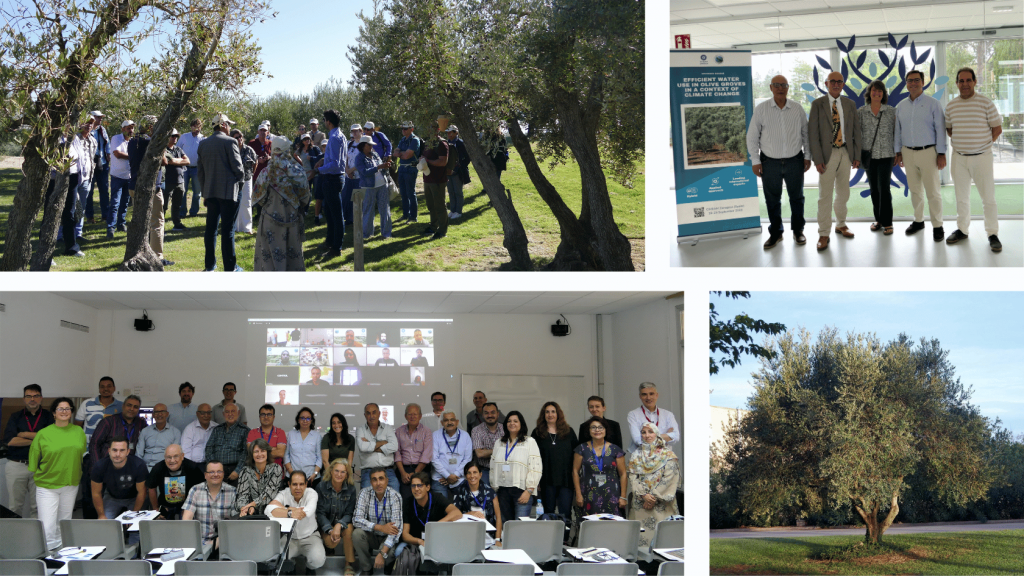
The training has taken the form of an advanced course, organised by CIHEAM Zaragoza and the International Olive Council (IOC) from 18 to 23 September 2023. It has attracted an impressive gathering of 60 professionals from 19 countries (Algeria, Argentina, Croatia, Cyprus, Egypt, France, Greece, Iran, Israel, Jordan, Lebanon, Morocco, Portugal, Saudi Arabia, Slovenia, Spain, Tunisia, Türkiye and Uruguay).
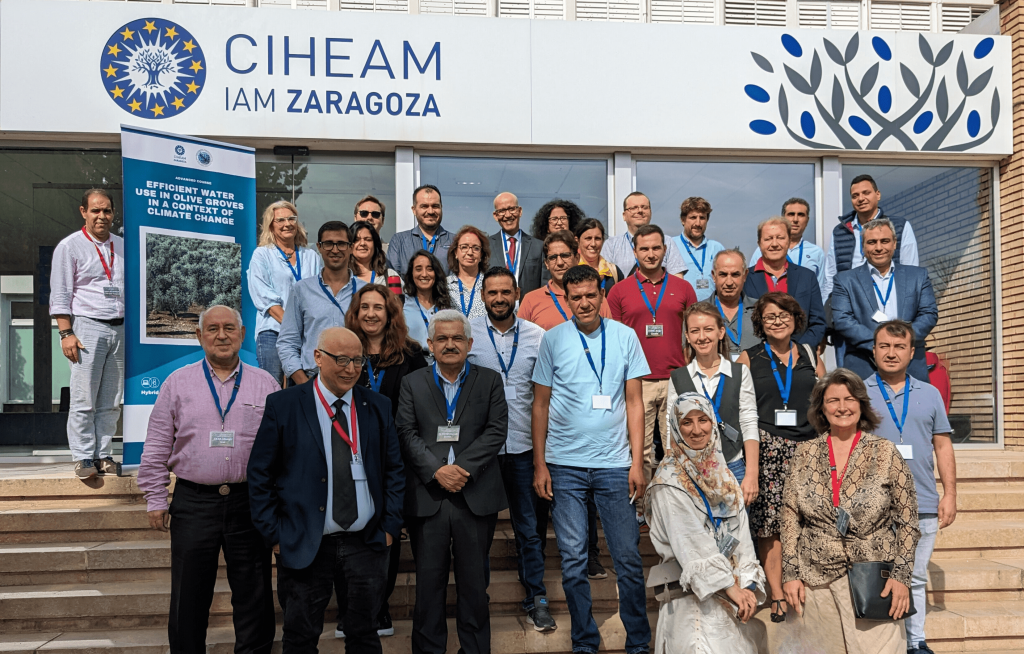
The course has presented an overview of the current water limitations to olive productivity in the Mediterranean region and the future perspectives under climate change, and more specifically, it has provided a better understanding of the soil-water balance, its components and the soil-plant-atmosphere continuum, as well as the olive eco-physiological response to water availability and climate.
The programme has given participants the opportunity to update knowledge and critically appraise the new technologies for monitoring water status, increase their ability to identify the main points for efficient water use and adopt adequate solutions to support informed decision-making, providing information on the pros and cons of the use of low-quality water as an alternative or integrating different water sources for olive irrigation.
South and East Mediterranean countries
The course enhances efforts in adapting to and mitigating the effects of climate change in southern and eastern Mediterranean countries, with both economic and environmental benefits. Higher agricultural productivity can be achieved through more efficient irrigation practices that generate higher productivity per unit of water used. This means that, with the same amount of water, it is possible to obtain higher yields. Furthermore, appropiate water management in olive orchards can help prevent soil degradation, reduce salinity and avoid overexploitation of aquifers, contributing to environmental sustainability. In a context of climate change, where more irregular rainfall patterns and more frequent extreme events are expected, transferring the knowledge acquired in this training can equip farmers with the necessary tools to adapt to these new conditions and minimise losses. Olive growing is an important source of income for many farmers in the Mediterranean region and improving water use efficiency can lead to a more robust and resilient agricultural economy, benefiting the entire value chain.
This type of training can act as a catalyst for the adoption of new technologies and innovative practices in the sector, such as drip irrigation systems, soil moisture sensors and climate prediction models. Participants have had the opportunity to visit an organic farm with a very efficient water management model. They have seen now, by improving water use efficiency, that competition for water resources between different users and regions can be reduced, and thus alliviate potential water-related tensions and conflicts.
Besides, the course has highlighted the use of sustainable water management approaches which enhance awareness and respectful water culture in the region. It has been a unique opportunity for all concerned to connect and network with other professionals and exchange experiences, strengthening cooperation to address climate change and efficient water use in olive orchards for planning irrigation strategies among key actors in IOC and CIHEAM member countries.